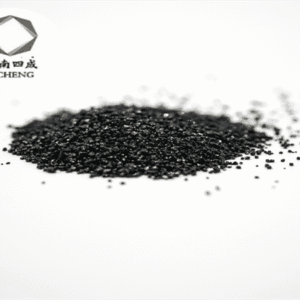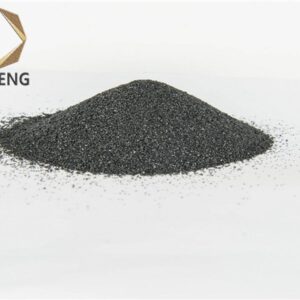
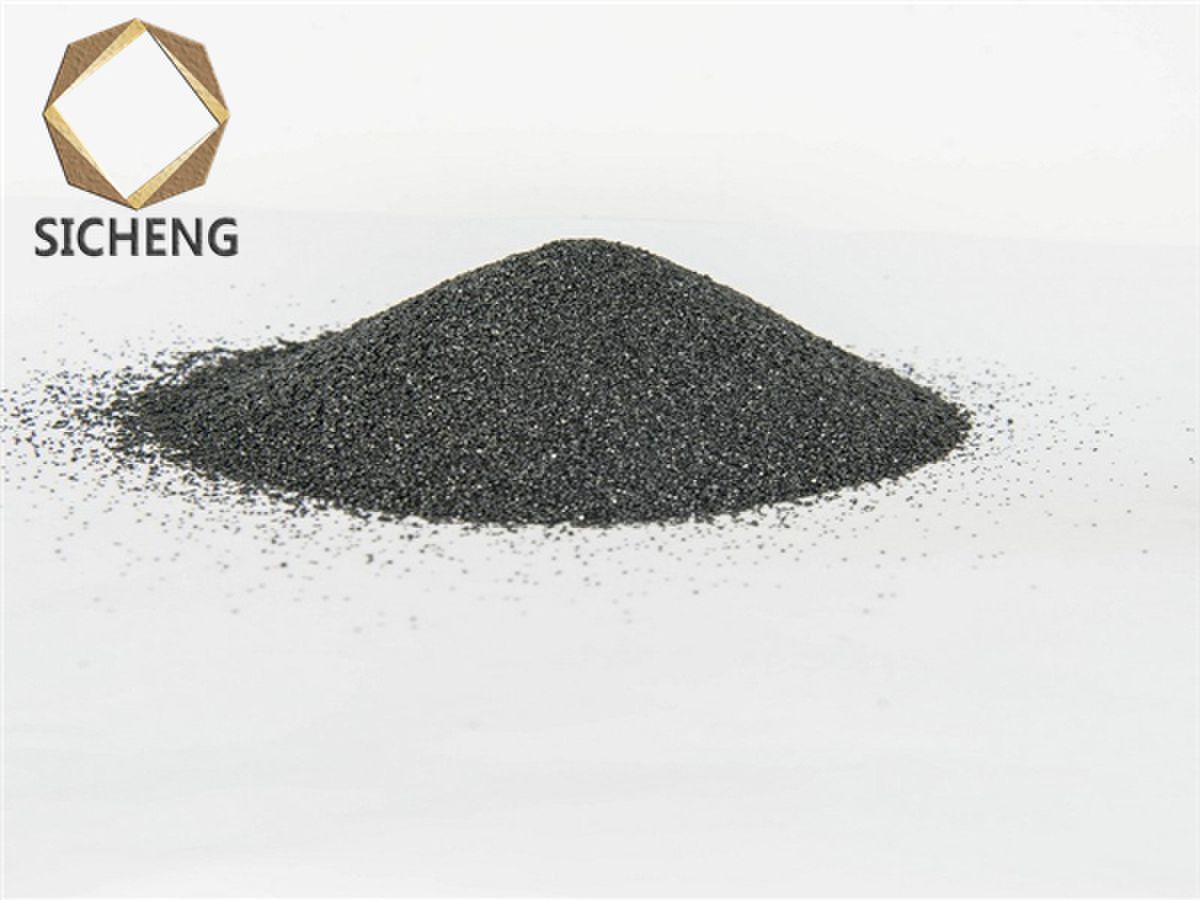
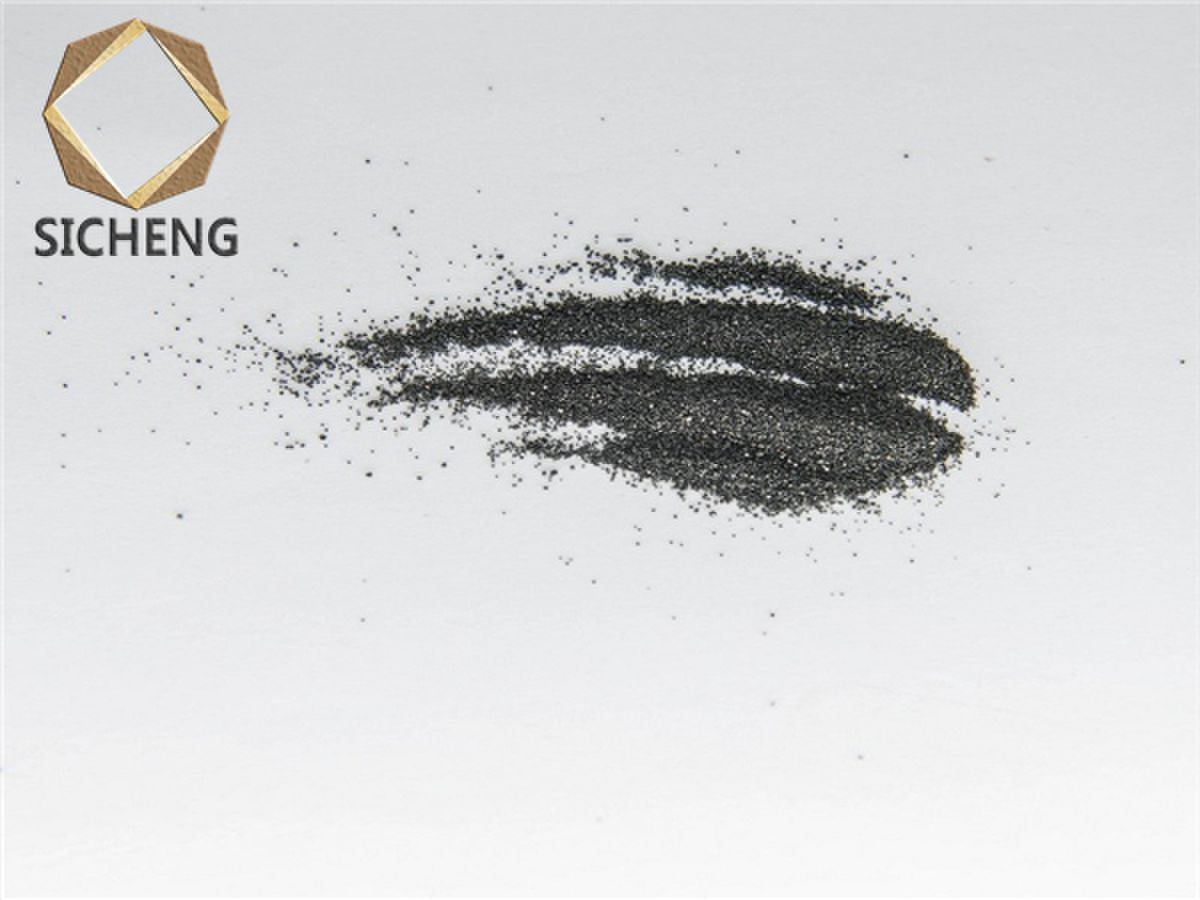
Premium Grade Chrome Ore Bulk Wholesale Chromite Sand AFS45-50 AFS45-55
Chromite Sand AFS40-45 45-55
Casting Chrome ore sand is a kind of foundry sand with high refractoriness. The content of chromium oxide of casting chromite sand should be at least 46%. That will get high Solid-phase sintering temperature. Chrome ore sand is especially featured with its high thermal conductivity. It can not only make the casting steel cool quickly, but also prevent casting iron& steel from sand-sticking.
2. Excellent thermal stability
3. High density, high density
4. Medium Mohs hardness 5.5
5. High thermal conductivity
6. Low coefficient of thermal expansion
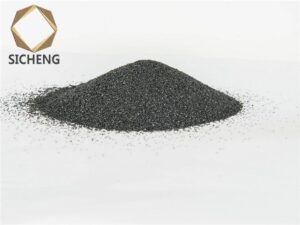
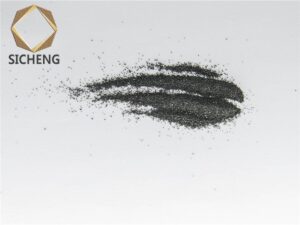
Chemical Composition
|
Item |
Unit |
Index |
|
Cr2O3 |
% |
≥46.0% |
|
SiO2 |
% |
≤1.0% |
|
FeO |
% |
≤26.5% |
|
CaO |
% |
≤0.30% |
|
MgO |
% |
≤10.0% |
|
Al2O3 |
% |
≤15.5% |
|
P |
% |
≤0.003% |
|
S |
% |
≤0.003% |
|
Cr/Fe |
|
1.55:1 |
Physical Properties(Chromite Sand AFS40-45 45-55)
|
Bulk Density |
g/cm³ |
2.5-3 |
|
Color |
/ |
Black |
|
PH |
/ |
7-9 |
|
The amount of the acid |
/ |
≤ 2 ML |
|
Percent soil |
% |
≤0.1 |
|
Percent Moisture |
% |
≤0.1 |
|
The sintered |
℃ |
1600 |
|
Percentage of free acid present in the sand |
% |
0 |
Foundry Applications (The Primary Market)
A. Steel Castings
This is the largest application. Chromite is used for:
-
Cores and Molds for Large & Thick-Section Steel Castings: Where the heat retention of silica sand can cause slow cooling, leading to poor metallurgical properties (e.g., low hardness, weak grain structure). Chromite’s chill effect refines the grain.
-
Critical Areas of Castings: Used in “chill cores” or facing sand in areas prone to defects like burn-on, penetration, or veining (e.g., hotspots, deep pockets).
-
Casting of High-Alloy Steels: Such as manganese steel, which is highly aggressive and reactive with silica sand.
-
Gating Systems: Often used to line pouring basins, sprue wells, and runners to resist erosion from the high-velocity molten steel stream.
B. Iron Castings
-
Spheroidal Graphite (Ductile) Iron: Essential for preventing pinhole porosity caused by magnesium vapor reacting with silica sand. Chromite’s inertness is critical here.
-
Heavy-Section Iron Castings: Similar to steel, to promote directional solidification and prevent shrinkage porosity.
-
Alloyed Irons (Ni-Hard, High-Chrome): Where the metal is highly corrosive.
C. Non-Ferrous Castings (Less common, but specific uses)
-
Copper-Based Alloys: For large or complex copper-nickel, aluminum-bronze, and manganese-bronze castings where high temperatures and metal penetration are issues.
-
Investment Casting: Used as a filler stucco in the ceramic shell process for high-melting-point alloys like steels and superalloys.
A. Steel Castings
This is the largest application. Chromite is used for:
-
Cores and Molds for Large & Thick-Section Steel Castings: Where the heat retention of silica sand can cause slow cooling, leading to poor metallurgical properties (e.g., low hardness, weak grain structure). Chromite’s chill effect refines the grain.
-
Critical Areas of Castings: Used in “chill cores” or facing sand in areas prone to defects like burn-on, penetration, or veining (e.g., hotspots, deep pockets).
-
Casting of High-Alloy Steels: Such as manganese steel, which is highly aggressive and reactive with silica sand.
-
Gating Systems: Often used to line pouring basins, sprue wells, and runners to resist erosion from the high-velocity molten steel stream.
B. Iron Castings
-
Spheroidal Graphite (Ductile) Iron: Essential for preventing pinhole porosity caused by magnesium vapor reacting with silica sand. Chromite’s inertness is critical here.
-
Heavy-Section Iron Castings: Similar to steel, to promote directional solidification and prevent shrinkage porosity.
-
Alloyed Irons (Ni-Hard, High-Chrome): Where the metal is highly corrosive.
C. Non-Ferrous Castings (Less common, but specific uses)
-
Copper-Based Alloys: For large or complex copper-nickel, aluminum-bronze, and manganese-bronze castings where high temperatures and metal penetration are issues.
-
Investment Casting: Used as a filler stucco in the ceramic shell process for high-melting-point alloys like steels and superalloys.
A. Steel Castings
This is the largest application. Chromite is used for:
-
Cores and Molds for Large & Thick-Section Steel Castings: Where the heat retention of silica sand can cause slow cooling, leading to poor metallurgical properties (e.g., low hardness, weak grain structure). Chromite’s chill effect refines the grain.
-
Critical Areas of Castings: Used in “chill cores” or facing sand in areas prone to defects like burn-on, penetration, or veining (e.g., hotspots, deep pockets).
-
Casting of High-Alloy Steels: Such as manganese steel, which is highly aggressive and reactive with silica sand.
-
Gating Systems: Often used to line pouring basins, sprue wells, and runners to resist erosion from the high-velocity molten steel stream.
B. Iron Castings
-
Spheroidal Graphite (Ductile) Iron: Essential for preventing pinhole porosity caused by magnesium vapor reacting with silica sand. Chromite’s inertness is critical here.
-
Heavy-Section Iron Castings: Similar to steel, to promote directional solidification and prevent shrinkage porosity.
-
Alloyed Irons (Ni-Hard, High-Chrome): Where the metal is highly corrosive.
C. Non-Ferrous Castings (Less common, but specific uses)
-
Copper-Based Alloys: For large or complex copper-nickel, aluminum-bronze, and manganese-bronze castings where high temperatures and metal penetration are issues.
-
Investment Casting: Used as a filler stucco in the ceramic shell process for high-melting-point alloys like steels and superalloys.