
Why Chromite Sand Stands Out in the Competitive Foundry Material Market?
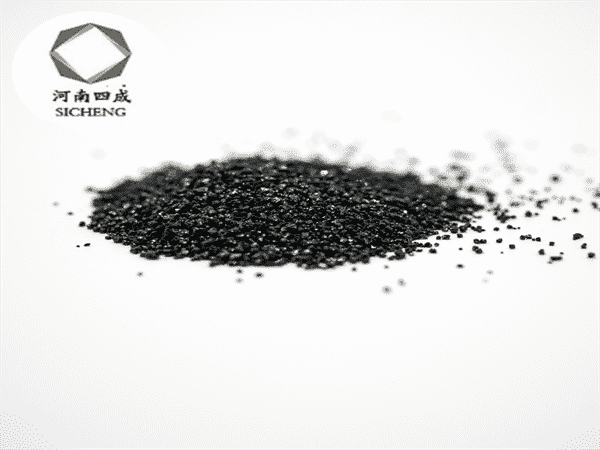
In the crowded landscape of foundry molding materials, chromite sand has carved out an unshakable niche—thanks to a unique blend of performance, reliability, and adaptability that sets it apart from silica sand, zircon sand, and other alternatives.
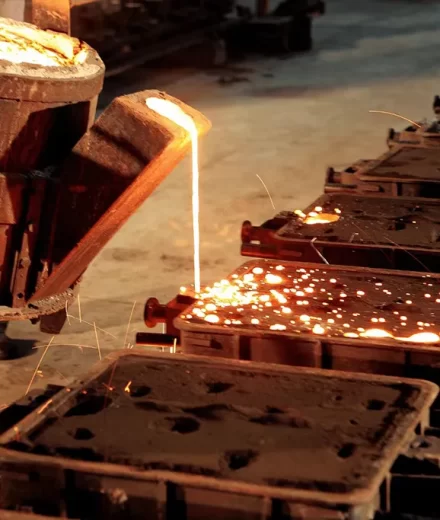
Unlike conventional foundry sands, chromite sand boasts exceptional refractoriness, withstanding extreme pouring temperatures up to 1,800°C without melting or sintering. This makes it the go-to choice for high-demand casting processes, from aerospace turbine components to heavy-duty industrial machinery parts. Its low thermal expansion coefficient is another game-changer: it minimizes mold deformation and cracking during the cooling phase, drastically reducing casting defects like hot tears, shrinkage porosity, and surface blemishes.
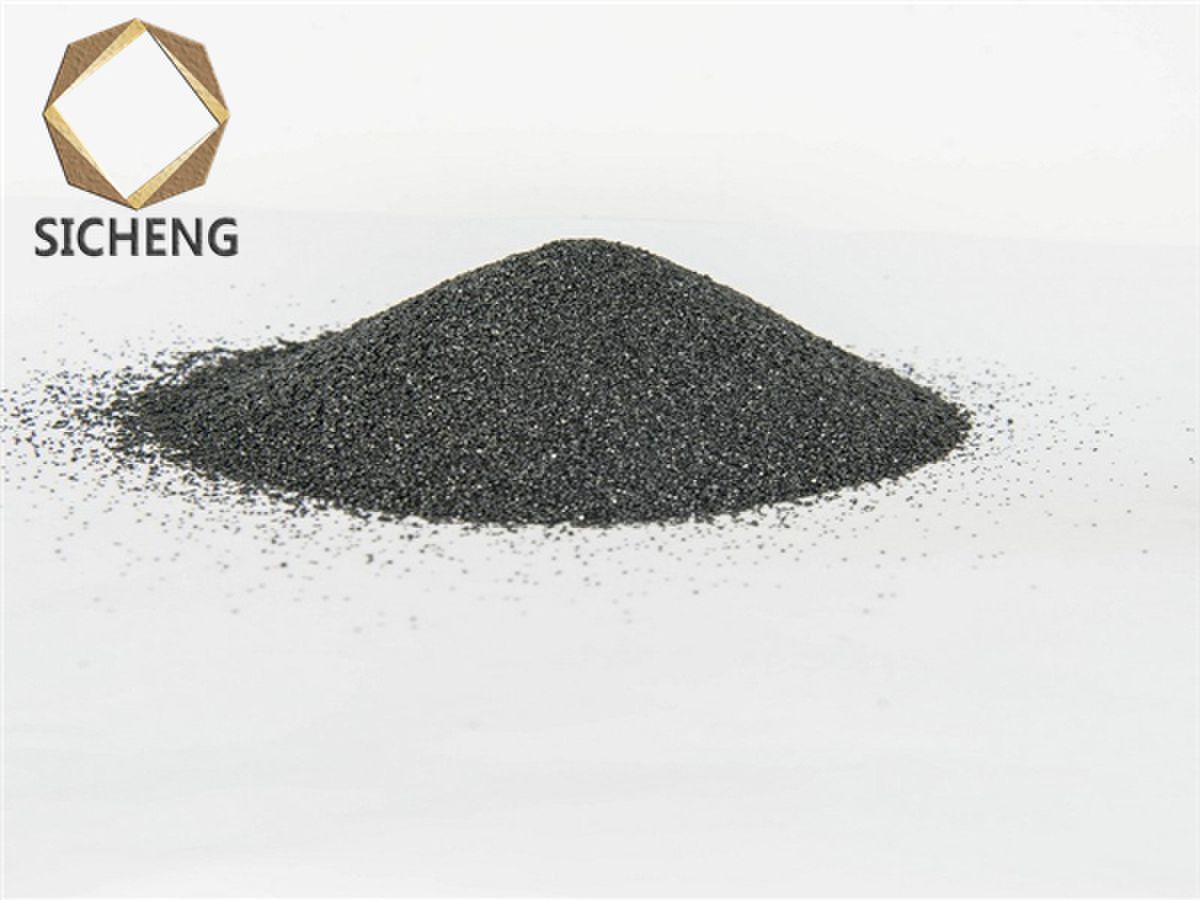
What’s more, chromite sand features uniform grain size distribution and high density, ensuring superior mold strength and dimensional accuracy. It resists chemical reactions with molten metal alloys, preventing sand fusion and enabling clean, smooth casting surfaces that require minimal post-processing.
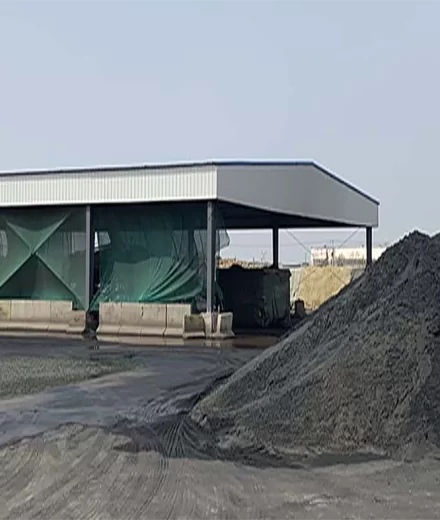
Beyond performance, chromite sand aligns with the global push for sustainable foundry practices. Its high recyclability rate—up to multiple reuse cycles without significant quality degradation—cuts down raw material waste and operational costs. For foundries prioritizing ESG compliance, responsibly sourced chromite sand also meets strict environmental and ethical standards, avoiding the ecological drawbacks associated with some competing materials.
Whether for precision investment casting, large-scale green sand molding, or specialized refractory applications, chromite sand delivers consistent results that keep foundries ahead in a competitive market.