
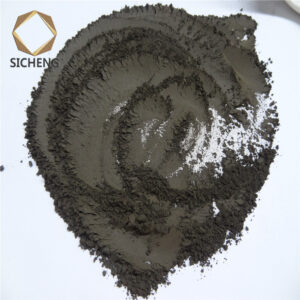
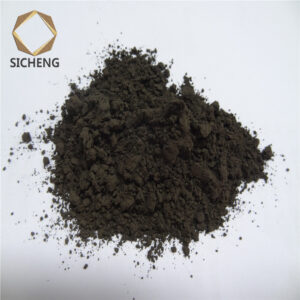
325# Chromite flour
Premium Chrome Ore Flour
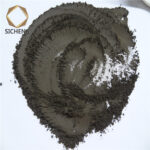
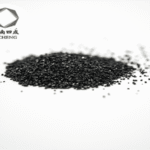
It is a finely ground, high-purity form of natural chromite ore (FeCr₂O₄). “Premium” grade distinguishes it from standard chromite by its superior chemical and physical characteristics, which translate to better performance in demanding applications.
Key Characteristics of Premium Grade:
-
High Cr₂O₃ Content: Typically 46% minimum, often exceeding 48%. This high chromium oxide content ensures excellent refractoriness (resistance to extreme heat).
-
Low SiO₂ and FeO: Low silica (SiO₂) is critical as it lowers the melting point and can react with basic slags. Low iron oxide (FeO) improves refractoriness.
-
High Melting Point: ~2,180°C, allowing it to withstand contact with molten steel and slag.
-
High Thermal Conductivity: Promotes rapid solidification of castings, yielding a finer metallurgical structure.
-
Low Thermal Expansion: Excellent dimensional stability, reducing the risk of veining defects in molds and cores.
-
Neutral Chemical Behavior: Does not react readily with acidic (silica) or basic (magnesite) mold materials, making it versatile.
-
Specific Grain Size Distribution: “Flour” typically refers to a fine powder, often with 90-95% passing through a 200-mesh (75µm) screen. This allows for dense packing and a smooth mold surface.
Primary Applications in Steel & Foundry
A. In Steelmaking (Slag Conditioner / Ladle Additive)
-
Function: Added to the ladle slag to increase MgO and Cr₂O₃ levels.
-
Benefits:
-
Slag Conditioning: Helps form a stable, viscous slag that protects refractory linings, improves thermal efficiency, and absorbs non-metallic inclusions.
-
Refractory Protection: Saturates the slag with Cr₂O₃, reducing the corrosive wear on magnesia-chrome ladle bricks.
-
Desulphurization Aid: Creates favorable conditions for sulphur removal from the molten steel.
-
B. In Foundries (Molding & Core Making)
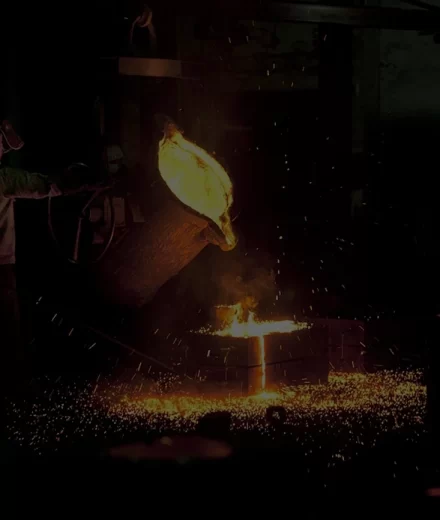
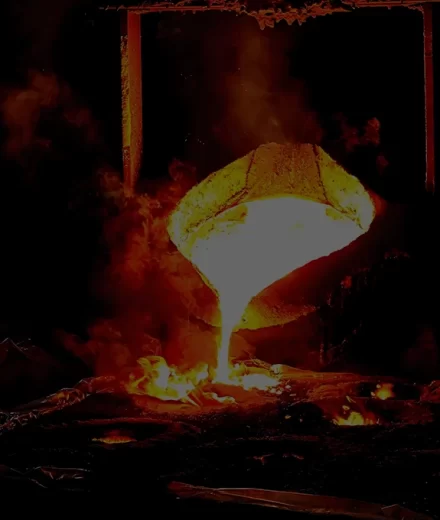
Here, it’s used as a refractory aggregate/chiller in both bonded (resin, silicate) and unbonded molds.
-
Facing Sand in Contact with Molten Metal:
-
Applied as a facing layer over standard silica sand molds/cores. Its high heat resistance prevents burn-on and penetration of molten metal, resulting in a cleaner casting surface.
-
-
Cores for Challenging Sections:
-
Used to make entire cores for areas of extreme heat stress (like ingot feeder heads, runner systems, or heavy-section castings).
-
-
Chill Additive:
-
Mixed into molding sand to locally increase cooling rate, promoting directional solidification and reducing shrinkage defects.
-
-
Patching and Repair Material:
-
Used in paste form to repair and coat ladles, furnaces, and tundishes.
-
-
Steel & High-Alloy Casting Production:
-
Essential for manganese steel, high-chrome steel, and other alloy steels where the heat is so intense that silica sand breaks down (causing “burn-on” and difficult cleaning).
-
Typical Premium Chemical & Physical Specifications
| Parameter | Premium Grade Specification | Importance |
|---|---|---|
| Cr₂O₃ | 46% – 48% min | Primary refractory phase. Higher is better. |
| SiO₂ | 1.0% – 2.0% max | Impurity. Lower reduces slag formation & reactivity. |
| FeO (as Fe) | 12% – 16% | Affects refractoriness. Controlled balance. |
| Al₂O₃ | 14% – 18% | Contributes to refractoriness. |
| MgO | 16% – 20% | Enhances slag resistance in basic conditions. |
| CaO | < 0.5% max | Impurity. Kept very low. |
| LOI (Loss on Ignition) | < 0.3% max | Indicates low moisture/volatiles, preventing gas defects. |
| PH | 8 – 10 (Basic) | Chemically neutral in foundry systems. |
| Melting Point | ~2,180 °C | Withstands molten steel temperatures. |
| Specific Gravity | 4.2 – 4.8 g/cm³ | High density provides stability against metal pressure. |
| Grain Size (Flour) | 95% < 75µm (200 Mesh) | Ensures smooth mold surface and good bonding. |
Advantages Over Standard Chromite or Silica Sand
-
Vs. Silica Sand: No risk of silicosis for workers; no phase transformation (no dangerous, rapid expansion); vastly superior thermal properties.
-
Vs. Standard Chromite: More predictable performance, lower impurity-driven defects, and longer refractory life.
Key Suppliers & Origins
-
Major Sources: South Africa (Bushveld Complex), Zimbabwe, India, Turkey, and the Philippines. South African chromite often sets the benchmark for premium grades.
-
Global Suppliers: Companies like Samancor Chrome, Afarak, Assmang, Yildirim Group, and Odisha Mining (India) are major producers and processors.
Purchasing Considerations
When sourcing premium chrome ore flour, specify:
-
Detailed Chemical Analysis (Certified Mill Sheet).
-
Precise Grain Size Distribution.
-
Moisture Content (should be bone dry).
-
Packaging (Big Bags are common for bulk; ensure no contamination).
-
Heavy Metals Compliance (e.g., Hexavalent Chrome restrictions – premium thermally natural grades have negligible soluble Cr(VI)).
In summary, premium chrome ore flour is a high-cost, high-performance material justified in critical applications where casting quality, surface finish, and refractory protection are paramount. Its use improves yield, reduces cleaning costs, and extends the life of expensive refractory linings.